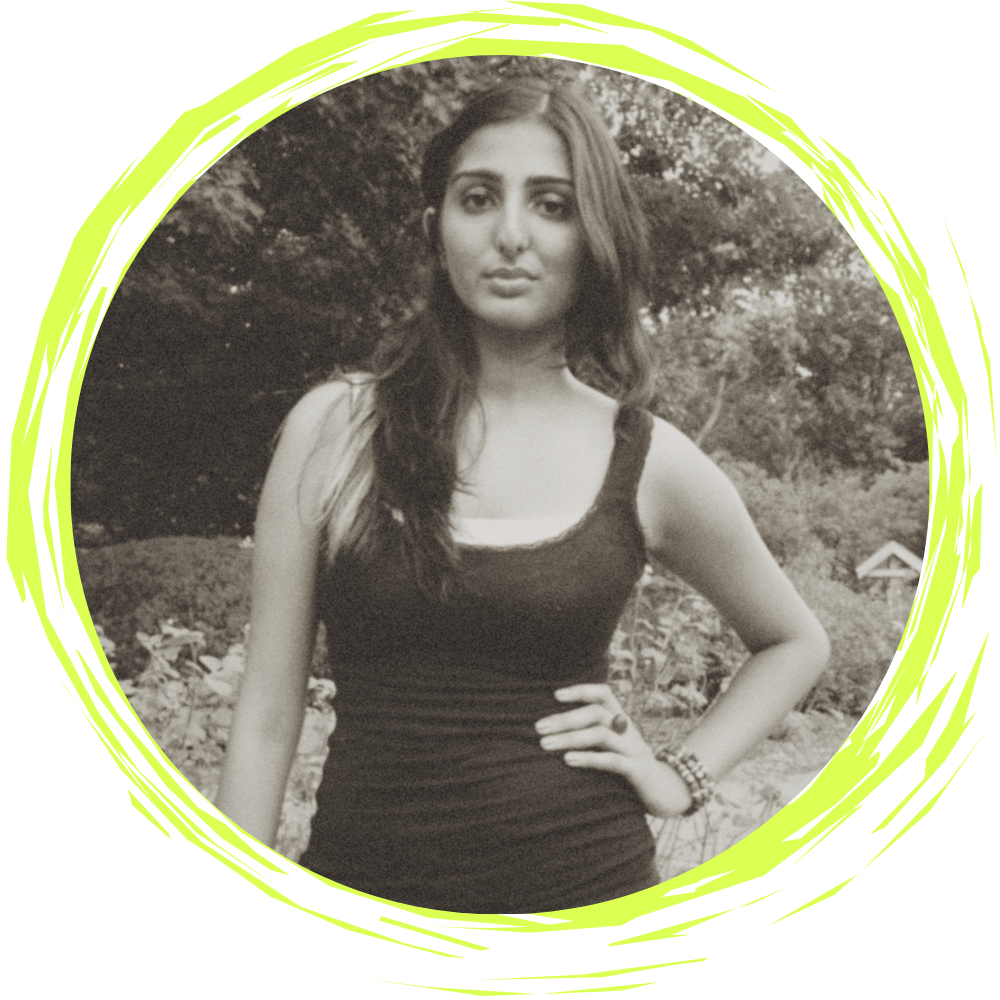
A small window into who I am and how I came to this work.
For the extra curious
-
saving pieces of things I couldn’t name at the time
in a library aisle, feeding a reading list that never stops growing
all black, combat boots, with a book in my bag
buying tea for the vibe, then making coffee anyway
looking for patterns like it’s survival
-
feeling deeply doesn’t make one fragile
archives are made of people first
not everything is yours to take
nothing is really lost… just rearranged
grief is not a problem to solve
-
I’m drawn to the stories people don’t know what to do with.
I can be private and still be honest — kind, but not for everyone.
some songs, scents, and sounds hit like a memory with teeth.
I like stories that leave a bruise, not a bow. I don’t trust easy endings.
dark humor is how I stay upright.
Born and raised in the Midwest, I’m a psychological researcher by trade with a sustained interest in identity development, memory work, and how individuals and communities make meaning of their lives.
My interests live in the in-between. They span archival theory and practice, thanatology and suicidology (including suicide prevention), criminology and criminal profiling, and psychology. I’m especially drawn to spaces where ethics, emotion, and storytelling collide.
My first professional pathway centered on criminal profiling and behavioral analysis, which led me to interviews with people the world often prefers to reduce to headlines, or dismiss entirely as beyond saving. That work reinforced my belief that honesty matters more than image, and that care requires boundaries. It still fascinates me, especially in its connections to folklore, narrative construction, and cultural myth-making.
I began working in suicide prevention at eighteen, taking calls for local hotlines and later lecturing on suicidality and depression. That work, alongside my background in counseling psychology, shaped how I listen, how I understand silence, and how seriously I take responsibility in spaces where people are vulnerable.
Much of my research has centered on affect, particularly forgiveness, resilience, and how emotional experience lives in the body. Personal life experiences alongside this work eventually led me to grief as a central focus.
Long before I had language for it, I was archiving. Movie stubs. Photographs. Charms. Jewelry. Handwritten letters. Discovering archival work later felt less like choosing a path and more like recognizing one I had already been walking.
I’m drawn to the emotional afterlives of records, the stories we keep, and the ones that quietly shape us long after they’re written.
The Unquiet Pages grew out of that recognition, and from a desire to create a grounded space where these interests could be held with care, and shared slowly and intentionally.